Most restaurant operators know they need to clean their hood system. Fewer understand exactly what an inspector is looking for when they walk into the kitchen, and even fewer are prepared when the answer to “can I see your cleaning records” leads to a problem.
Hood cleaning inspection in Michigan is not just a visual check of whether the hood looks clean. Inspectors are looking for documentation, frequency compliance, and evidence that the full exhaust system has been properly maintained. A hood that looks clean on the surface can still generate a violation if the records do not support it.
This guide breaks down what inspectors actually check, what NFPA 96 requires in Michigan, and what happens when a kitchen falls short.
What Inspectors Are Actually Looking For
When a health inspector or fire marshal reviews hood cleaning compliance in a Michigan restaurant, the process typically involves two things: a physical inspection of the exhaust system and a review of service documentation.
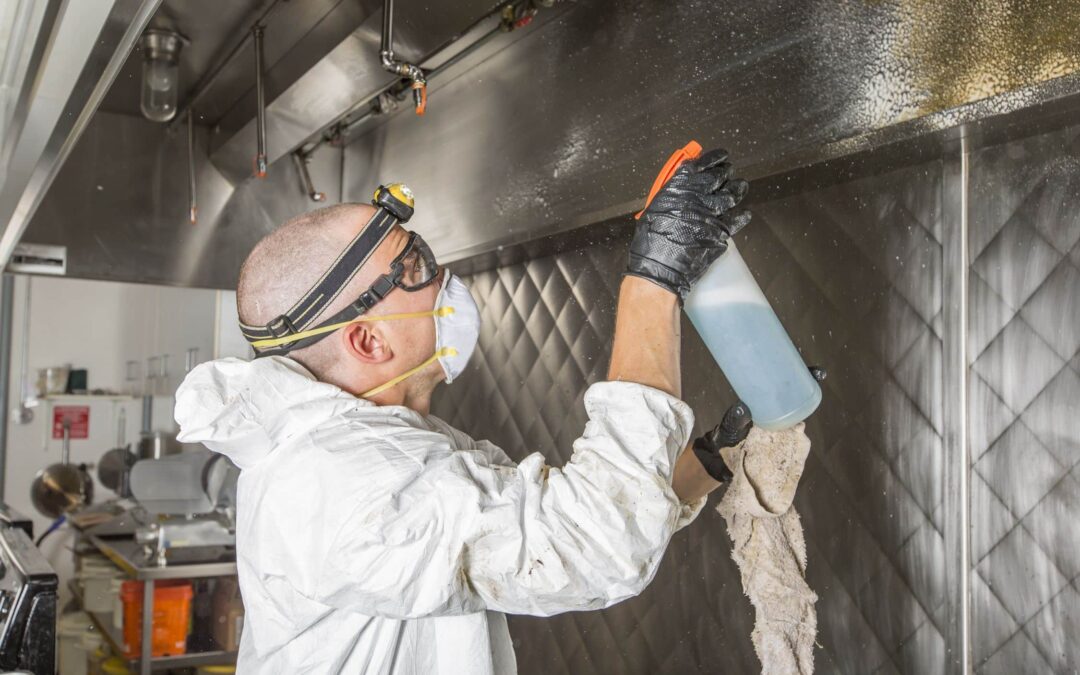
The physical side covers the visible condition of the hood canopy, the filters, the plenum area behind the filters, and where possible, the condition of the duct and exhaust fan. Heavy grease buildup in any of these areas is a direct flag. Inspectors are trained to check the areas that are easy to miss during an incomplete cleaning, including the interior duct surfaces and the rooftop exhaust fan housing.
The documentation side is where a lot of kitchens run into trouble. Inspectors want to see written service records that show when the system was last cleaned, who performed the cleaning, and what was addressed. A verbal assurance that the hood was cleaned recently is not sufficient. If the records are missing, incomplete, or show a gap that suggests the cleaning schedule has not been followed, that is treated as a compliance issue regardless of what the hood looks like on the surface.
What NFPA 96 Requires in Michigan
Michigan’s mechanical code ties commercial kitchen exhaust systems directly to NFPA 96, the national standard for ventilation control and fire protection of commercial cooking operations. Understanding what that standard requires is the foundation of restaurant hood cleaning compliance in Michigan.
NFPA 96 sets cleaning frequency requirements based on cooking volume and the type of cooking being performed. The general breakdown is as follows.
Kitchens that operate with high-volume or solid-fuel cooking, such as wood-burning or charcoal systems, are required to clean the hood and exhaust system monthly. Systems serving moderate-volume cooking operations should be cleaned quarterly. Low-volume cooking operations, including kitchens in churches, seasonal businesses, or facilities with limited cooking activity, may operate on a semi-annual or annual cleaning schedule.
The important distinction is that these frequencies are minimums, not targets. A high-volume restaurant that cleans quarterly when monthly service is required by NFPA 96 standards is out of compliance even if the hood looks acceptable. Kitchen exhaust cleaning in Michigan needs to match the actual cooking volume, not a schedule that was set arbitrarily or inherited from a previous operator.
Inspectors familiar with NFPA 96 know these frequency thresholds. When they review service records and the dates do not align with the kitchen’s evident cooking volume, it creates a question that puts the operator on the defensive.
How Inspectors Evaluate Service Records
Not all service records carry the same weight during an inspection. A professionally completed hood cleaning report typically includes the date of service, the name and contact information of the cleaning company, a description of the system components that were cleaned, and in many cases a condition note or sticker affixed near the hood indicating the date of last service and the date the next service is due.
That sticker, often placed on the inside of the hood or on the access panel, is frequently the first thing an inspector looks at. If the next service date has passed and there is no record of a follow-up cleaning, that is an immediate flag.
Beyond the sticker, inspectors may ask to review written reports from previous cleanings. Records that clearly document what was cleaned, including the hood canopy, filters, plenum, duct, and exhaust fan, demonstrate thorough service. Records that only note that the hood was cleaned without specifying what was covered leave room for doubt about whether the full system was addressed.
Gaps in the record history are also a problem. If a kitchen has documentation from two years ago and again from last month but nothing in between, an inspector is going to ask questions about what happened during that gap.
What Happens When a Kitchen Fails a Hood Cleaning Inspection
The outcome of a failed hood cleaning inspection in Michigan depends on the nature and severity of the deficiency.
For documentation issues, the most common outcome is a written correction notice with a deadline to produce records or schedule service and provide proof. This is manageable if addressed promptly, but ignored correction notices escalate quickly into repeated inspection activity and potential fines under Michigan’s mechanical code violation framework.
For physical grease accumulation issues, the response depends on how serious the buildup is. Moderate accumulation typically results in a correction notice and a reinspection deadline. Severe accumulation that represents a genuine fire hazard can move faster, with enforcement pressure to address the condition before normal cooking operations continue.
For repeated or ignored violations, the situation becomes significantly more expensive. Additional inspection activity, fines, and licensing pressure are all possible outcomes when a kitchen demonstrates a pattern of noncompliance rather than a one-time gap.
The cost pattern is consistent across all of these scenarios: the longer the problem is left unaddressed, the more expensive and disruptive the resolution becomes.
The Records Gap That Catches Most Kitchens Off Guard
The most common hood cleaning compliance failure in Michigan is not a kitchen that has never cleaned its hood. It is a kitchen that cleans periodically but does not keep organized records that are easy to produce during an unannounced inspection.
An inspector who arrives without prior notice and asks for hood cleaning documentation does not give the operator time to search through old emails, call the cleaning company for a copy, or piece together a history from memory. The records need to be accessible on-site, organized, and current.
Building a simple system for storing service reports, whether physical copies in a binder near the hood or digital records accessible to management, is one of the lowest-effort ways to protect against a documentation-related violation. It does not require doing anything differently about the cleaning itself. It just requires keeping the paperwork where it can be found when it matters.
DPoole Serves Michigan Restaurants Across the Region
DPoole Commercial Kitchen Cleaning provides Michigan hood cleaning for restaurants, cafeterias, food processing facilities, and commercial kitchens throughout the region, including Detroit, Grand Rapids, Lansing, Ann Arbor, Flint, and surrounding communities. Every service includes thorough cleaning of the full exhaust path from hood canopy to rooftop fan, along with professional documentation that meets inspection standards.
If your current records are incomplete, your schedule does not match your cooking volume, or you are not confident your last cleaning covered the full system, we can help you get back into compliance before the next inspection creates a more serious problem.
Visit our restaurant hood cleaning Michigan page to learn more about our service coverage and schedule a cleaning for your kitchen.
FAQs
What do Michigan health inspectors check during a hood cleaning inspection? Inspectors typically review both the physical condition of the hood, filters, plenum, and exhaust components and the written service records that document when the system was last cleaned and by whom.
What does NFPA 96 require for hood cleaning frequency in Michigan? NFPA 96 sets minimum cleaning frequencies based on cooking volume: monthly for high-volume or solid-fuel cooking, quarterly for moderate-volume operations, and semi-annually or annually for low-volume kitchens. Michigan’s mechanical code ties commercial exhaust systems directly to this standard.
Can a restaurant fail an inspection even if the hood looks clean? Yes. Missing, incomplete, or outdated service records can result in a compliance finding even when the physical condition of the hood appears acceptable. Documentation is evaluated alongside the physical inspection.
What happens if a Michigan restaurant fails a hood cleaning inspection? The most common outcome is a written correction notice with a deadline to resolve the deficiency and prepare for reinspection. More serious or repeated violations can lead to fines and escalating enforcement activity under Michigan’s mechanical code.
How should hood cleaning records be stored for inspection purposes? Records should be kept on-site, organized, and accessible to management at any time. A physical binder near the hood or a digital file accessible to the management team are both practical options. The key is being able to produce documentation immediately during an unannounced inspection.
Does DPoole provide service documentation after a hood cleaning? Yes. Every DPoole service includes professional documentation of what was cleaned and when, suitable for inspection review and record-keeping compliance.