A Critical Issue That Impacts Safety, Compliance, and Business Survival, More Than Most Owners Realize
Detroit’s food scene is competitive, fast-paced, and unforgiving. Restaurants don’t get second chances when it comes to customer trust, kitchen safety, or health inspections. And while owners focus on staffing, menu quality, and daily operations, one issue quietly builds underneath every commercial kitchen: the grease trap.
It’s out of sight, but the consequences of neglect are anything but.
Slow drains. Foul odors. Plumbing backups. Surprise failures during peak hours. And the biggest risk of all: safety hazards that can shut down a business instantly.
This is why more restaurant owners are taking grease trap cleaning in Detroit seriously, because delaying it doesn’t just cause inconvenience. It threatens compliance, safety, and even your restaurant’s reputation.
Below is a detailed look at why grease trap maintenance is one of the most critical responsibilities for Detroit kitchens.
The Detroit Restaurant Industry Operates Under Tight Health Regulations
Detroit inspectors do not overlook grease traps. In fact, they check them aggressively because neglected traps are directly linked to:
- Sewage overflows
- Food contamination risks
- Foul odors in dining rooms
- Environmental hazards
- Plumbing emergencies requiring immediate shutdown
Restaurants with overloaded grease traps face citations, fines, and in many cases, forced closures until the problem is fixed.
Health inspectors know that when a trap isn’t maintained, the entire kitchen is compromised, which is why restaurant safety in Detroit guidelines emphasize consistent cleaning schedules.
For owners, this isn’t simply about compliance.
It’s about keeping your doors open.
Delayed Cleaning Creates Serious Fire Hazards
Most restaurant fires start in the kitchen. And many fires escalate rapidly because grease has accumulated in areas staff cannot see or reach.
When grease traps overflow or clog, grease backs up into:
- Pipes
- Floor drains
- Dishwashing lines
- Kitchen surfaces
- Ventilation systems
These buildups fuel flames and increase the severity of fires.
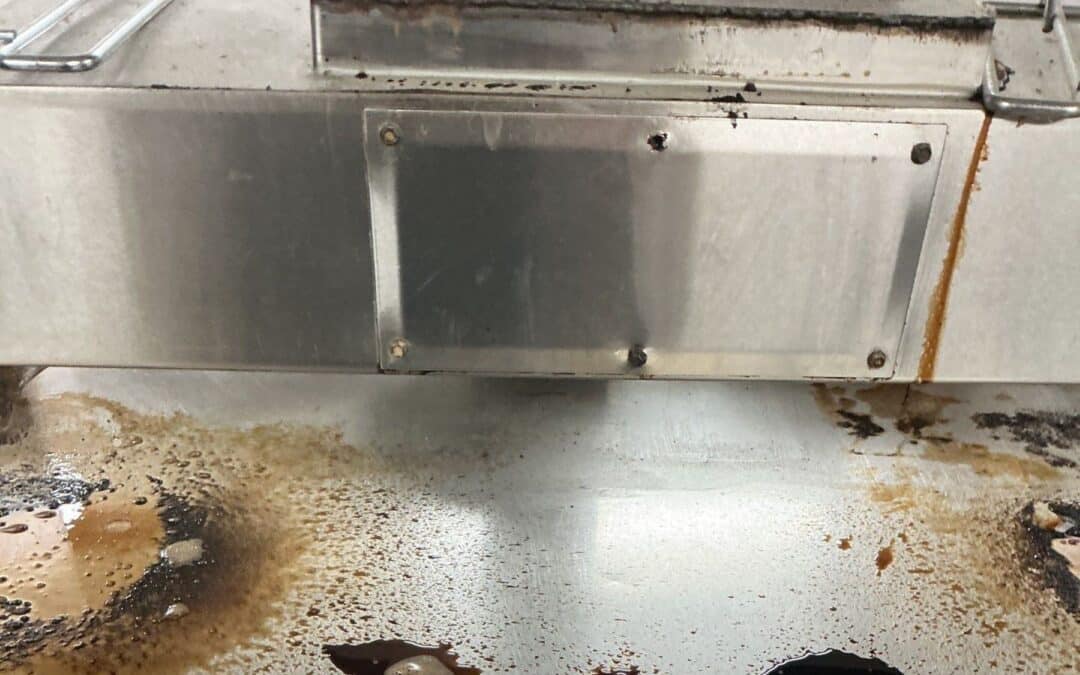
Even small trap overflows can coat surfaces in oil residue, raising the risk dramatically. This is why fire hazard prevention is one of the top reasons experts urge timely grease trap service.
Restaurants operate with open flames, hot equipment, and constant movement. Grease buildup turns that environment into a dangerous one.
A clean trap = a safer kitchen.
Bad Odors Drive Away Customers Faster Than Anything Else
Customers will forgive a long wait. They might even forgive slow service.
They will never forgive foul odors drifting from the kitchen.
When grease traps are overdue for service, the smell is unavoidable. Grease decomposes fast, producing sulfur-like odors that spread through:
- Floor drains
- Mop sinks
- Bar sinks
- Restroom drains
- Dining areas
Even a faint smell can ruin a first impression, and negative reviews spread quickly in Detroit’s competitive food industry.
Odor problems are one of the earliest warning signs that grease interceptor cleaning is overdue. But by the time you smell it, your trap is already overloaded.
Deep, professional cleaning prevents odor issues entirely, protecting your restaurant’s image.
Neglected Grease Traps Lead to Plumbing Emergencies and Expensive Repairs
When a grease trap clogs, the effects ripple through the entire kitchen:
- Sinks stop draining
- Dishwashers back up
- Floor drains overflow
- Grease rises through plumbing lines
- Water floods prep areas
And plumbing emergencies rarely happen during slow hours; they strike when the kitchen is full, customers are seated, and the staff is unable to function.
Repairs for severe clogs or sewer backups can cost thousands.
Every hour of downtime results in lost revenue.
Preventing these disasters is far cheaper and easier than fixing them.
Routine grease trap cleaning in Detroit protects your plumbing, your equipment, and your operating hours.
Overflowing Traps Can Trigger Environmental Fines
Detroit enforces strict wastewater regulations because uncontrolled grease can:
- Pollute waterways
- Damage municipal sewer lines
- Block public drainage systems
When restaurant grease enters city lines, the city traces it back to the source. Restaurants found responsible face:
- Citations
- Environmental penalties
- Cost recovery fees for municipal cleanup
- Mandatory service orders
These fines can hit small restaurants especially hard.
Proper grease interceptor cleaning prevents grease from ever entering the sewer system — protecting both the environment and your business.
Kitchen Efficiency Drops When Grease Traps Are Overlooked
A kitchen is a system. When one part slows down, everything slows down.
A neglected grease trap disrupts:
- Prep times
- Dishwashing cycles
- Cleaning routines
- Equipment performance
- Staff workflow
Slower drains mean slower service, and slower service leads to fewer table turns, longer wait times, and frustrated customers.
By keeping grease traps clean, restaurants support:
- Faster station resets
- Better sanitation
- Smoother dish flow
- Cleaner equipment
- Higher team efficiency
In Detroit’s fast-moving restaurant scene, efficiency is money, and cleanliness fuels that efficiency.
Overflowing Traps Contaminate Work Areas and Compromise Food Safety
Grease that escapes a full trap spreads into areas that should remain sterile.
This can contaminate:
- Food prep surfaces
- Utensils
- Cleaning stations
- Walkways
- Storage rooms
Cross-contamination becomes a serious risk, and inspectors are trained to look for it.
Food safety violations don’t just cost fines; they damage trust, harm reputation, and can permanently shut restaurants down.
Professional grease trap cleaning in Detroit prevents bacterial spread and protects food integrity.
Proactive Cleaning Saves Money, Time, and Stress
Some restaurant owners believe cleaning “when it becomes a problem” saves money.
In reality, delayed cleaning guarantees:
- Expensive plumbing repairs
- Fire risks
- Emergency shutdowns
- Inspection failures
- Staff slowdowns
- Lost customers
- Property damage
Routine maintenance eliminates all of these risks.
In most cases, proactive cleaning costs a fraction of what emergency repairs cost, making it one of the smartest financial decisions a restaurant can make.
Why Restaurants Trust DPoole Commercial Kitchen Cleaning Services for Grease Trap Cleaning in Detroit
DPoole Commercial Kitchen Cleaning Services specializes in deep, technical cleaning for commercial kitchens, the environments where precision, safety, and compliance matter most.
They provide:
- Thorough grease removal
- Safe waste handling
- Interior trap scraping
- Exterior component cleaning
- Line flow assessments
- Odor elimination
- Compliance documentation
- Preventive maintenance scheduling
Restaurant owners choose DPoole Commercial Kitchen Cleaning Services because they don’t just clean a trap; they protect the entire kitchen from safety hazards, disruptions, and costly failures.
Your kitchen can’t operate without a clean, safe, functioning grease trap. DPoole Commercial Kitchen Cleaning Services makes sure you never fall behind.
Frequently Asked Questions
1. How often should Detroit restaurants schedule grease trap cleaning?
Most Detroit restaurants need grease trap service every 1–3 months, depending on kitchen volume and menu type. High-volume or fried-food kitchens often require more frequent maintenance. Regular grease trap cleaning in Detroit prevents clogs, odors, safety hazards, and compliance violations, all of which can shut down a kitchen without warning.
2. What happens if a grease trap overflows?
Overflow leads to sewage backups, foul odors, contaminated surfaces, plumbing failures, and significant fire risks. It can also trigger immediate health inspection violations. Because overflow causes both sanitation issues and operational disruptions, consistent grease interceptor cleaning is essential for maintaining a safe restaurant environment.
3. Why is grease trap cleaning important for restaurant safety?
Grease buildup spreads into drains, floors, equipment, and ventilation systems. This makes kitchens far more vulnerable to grease-fueled fires, slips, cross-contamination, and pest activity. Proper cleaning directly supports restaurant safety in Detroit by reducing those risks and keeping the kitchen environment compliant, sanitary, and safe for staff.
4. Can delaying grease trap service cause fire hazards?
Yes. Grease accumulation is one of the top contributors to kitchen fires. When traps overflow, grease travels into pipes, floors, and appliance areas, all of which can ignite rapidly in a high-heat environment. Timely service plays a key role in fire hazard prevention.
5. What are the signs that a grease trap needs cleaning?
Common warning signs include slow drains, gurgling sounds, standing water, sulfur-like odors, pest attraction, or grease resurfacing through sinks and floor drains. If these symptoms appear, immediate grease trap cleaning in Detroit is needed to prevent bigger problems such as shutdowns or sewer backups.
6. Are Detroit restaurants legally required to clean grease traps?
Yes. Detroit enforces strict wastewater and food-safety regulations. Restaurants must maintain grease traps to prevent sewer blockages, contamination, and environmental damage. Failure to comply can lead to fines, citations, and forced closures until grease interceptor cleaning is completed.
7. Why should restaurants hire a professional instead of cleaning grease traps themselves?
Grease traps require specialized equipment, proper waste handling, internal scraping, and thorough line cleaning. DIY attempts often miss deeper blockages or fail to remove hardened grease. Professional cleaners ensure full compliance, safer kitchens, and long-term plumbing protection, crucial for restaurant safety in Detroit.
8. How does regular grease trap maintenance save money?
Routine cleaning prevents:
- Costly plumbing repairs
- Emergency shutdowns
- Sewer overflows
- Failed health inspections
- Fire hazards
- Equipment damage
By avoiding these expensive disruptions, grease trap maintenance becomes a high-ROI investment for restaurants.